If you’ve been in K-beauty long enough to have opinions about hyaluronic acid, it’s time to meet the ingredient Korean formulators quietly reach for when a skin barrier is falling apart: beta-glucan.
It doesn’t have PDRN’s “salmon DNA” shock factor or retinol’s decades of fame. But beta-glucan does something most humectants can’t. It hydrates and calms and helps repair the barrier at the same time, which is exactly why it shows up in so many “for sensitive skin” Korean serums.
This is a full ingredient guide to beta-glucan: what it actually is, what the science supports, how it stacks up against hyaluronic acid, and which K-beauty products use it well. As always, honest expectations included.
What Is Beta-Glucan, Really?
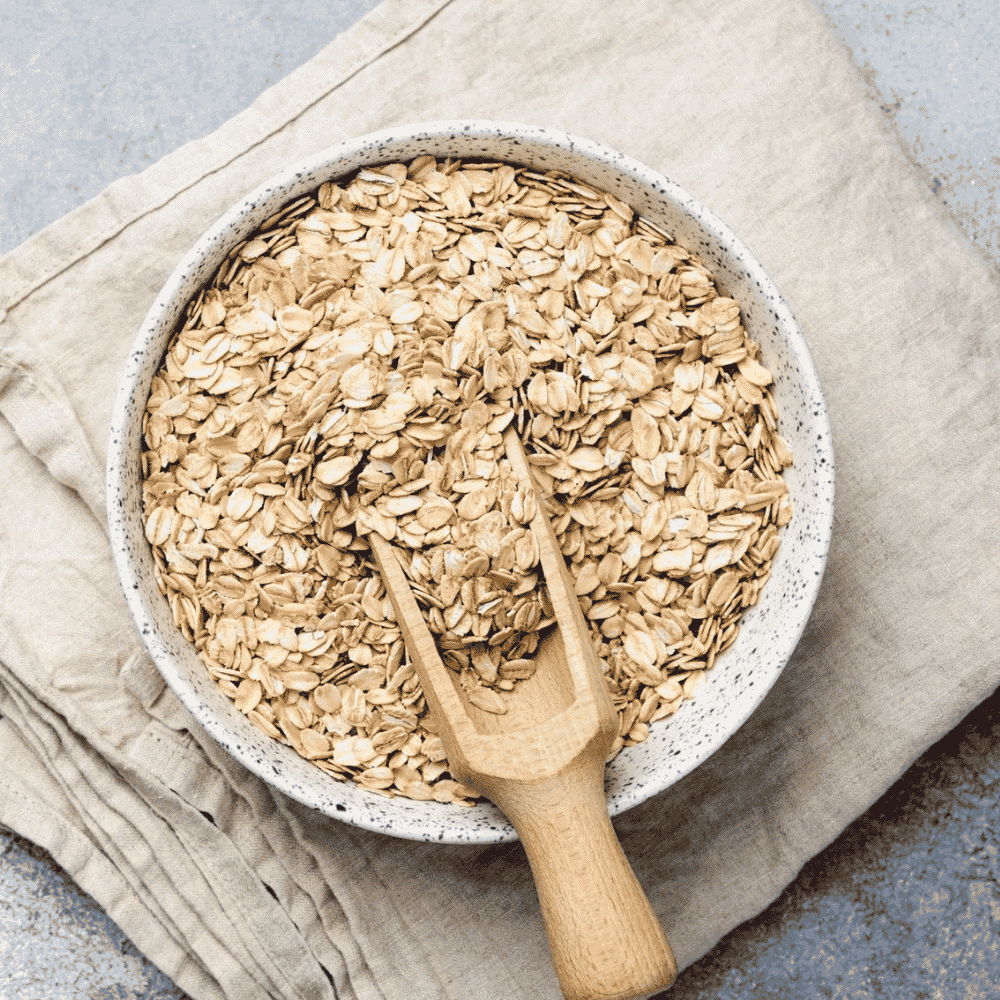
Beta-glucan is a polysaccharide, a long chain of sugar molecules, found naturally in the cell walls of oats, yeast, and mushrooms. In skincare, it’s used as a soothing, hydrating, barrier-supporting active.
Here’s the part that matters and that most guides skip: not all beta-glucan is the same. Its structure changes depending on the source, and that structure changes how it behaves on your skin:
- Cereal-derived (oat) beta-glucan uses (1,3/1,4) molecular linkages.
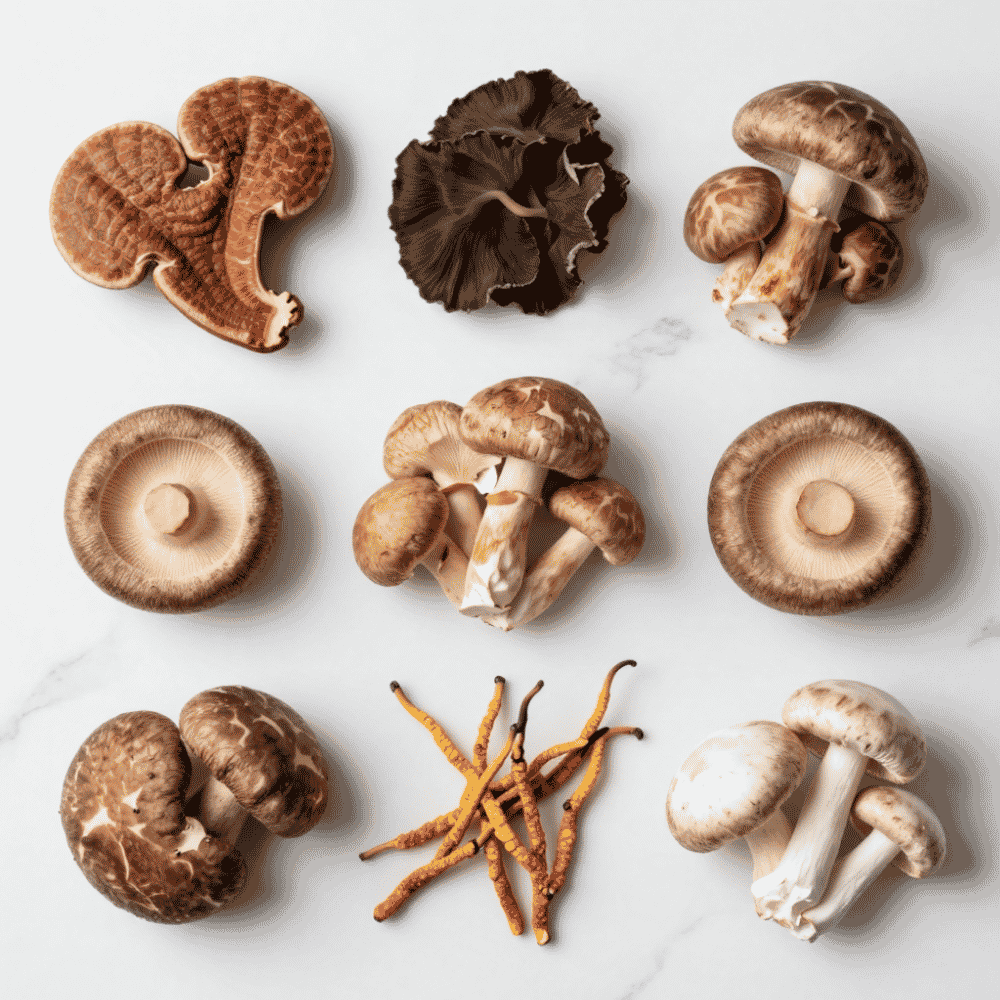
- Yeast- and mushroom-derived beta-glucan uses (1,3/1,6) linkages.
Those (1,3/1,6) branches are the ones that interact with immune receptors in your skin, which is why yeast/mushroom beta-glucan tends to have the more interesting “does something active” research profile, while oat beta-glucan has the longer track record for calming sensitive, inflamed skin.
There’s a popular myth that beta-glucan is “too big to soak in.” Not true. Even though it’s a large molecule, beta-glucan actually sinks past the very top layer of skin and reaches the deeper layers. So instead of just sitting on the surface like a thin film, it gets in and helps repair your skin barrier from the inside.
Quick Answer: What Does Beta-Glucan Do for Skin?
Beta-glucan is a genuine multitasker. Four things it’s actually good at:
- Deep, long-lasting hydration. It’s a humectant, a moisture magnet, but unlike some humectants, it holds water in a way that doesn’t evaporate off quickly, so hydration lasts.
- Barrier repair. Oat beta-glucan has been shown to repair epidermal barrier function via Dectin-1 signaling, increasing skin-cell differentiation, cell-to-cell junctions, and barrier lipids. In plain terms: it helps rebuild the “brick wall” that keeps moisture in and irritants out.
- Soothing & anti-inflammatory. This is beta-glucan’s superpower over plain hyaluronic acid. Its calming action makes it a favorite for redness, eczema, and rosacea-prone skin.
- Wound healing & firmness. Research shows beta-glucan can support healing by boosting macrophage activity and collagen production, which is also why it’s credited with helping plump the look of fine lines over time.
⚠️ Realistic expectations: Beta-glucan is not an ingredient that changes your skin overnight. Instead, it works best with consistent use, helping support the skin barrier, improve hydration, and calm sensitive or dry skin over time. It is not a wrinkle eraser or a replacement for retinol, but it can be a reliable base ingredient for keeping the skin healthy, balanced, and comfortable.
Beta-Glucan vs Hyaluronic Acid: Which Is Better?
This is the comparison everyone actually wants, so let’s be clear: they’re not rivals, they’re teammates. They hydrate through different mechanisms and solve different problems.
| Measures | Beta-Glucan | Hyaluronic Acid |
|---|---|---|
| Main job | Barrier repair + soothing + hydration | Water reservoir / surface hydration |
| Anti-inflammatory | Yes, strong | Minimal |
| Hydration staying power | Longer-lasting, slower to evaporate | Fast hydration, can evaporate in dry air |
| Best for | Reactive, compromised, eczema/rosacea skin | All skin wanting a quick plump |
| Works with | Everything — including HA | Everything — including beta-glucan |
The takeaway: hyaluronic acid is a water reservoir; beta-glucan reinforces the barrier and calms inflammation. HA gives you the instant “drink of water” plump; beta-glucan does the quieter, structural work of keeping that water in and settling irritation down. Layer them and you get both, which is exactly what many Korean “hyaluronic + beta-glucan + panthenol” serums are designed to do.
Oat vs Yeast Beta-Glucan: Does the Source Matter?
Yes, but the source is not the only thing that matters. The molecular weight and how the ingredient is processed can also affect how beta-glucan feels and performs on the skin. As a simple guide:
- Oat beta-glucan: The more established clinical track record for sensitive and inflamed skin. If your priority is calming and barrier comfort, this is the safe pick.
- Yeast / mushroom beta-glucan: The more interesting anti-aging research profile, thanks to those (1,3/1,6) branches that engage skin’s immune signaling.
Don’t overthink it. Most well-formulated K-beauty products use a purified, optimized beta-glucan and don’t ask you to memorize the source. If a label specifies, use the guide above. Otherwise, formulation quality and the rest of the ingredient list matter more.
Why K-Beauty Loves Beta-Glucan
Beta-glucan fits Korean skincare culture almost perfectly, for three reasons:
1. A nation of over-exfoliated barriers. Korean consumers are heavy users of acids, retinol, and in-clinic procedures, which leaves a lot of reactive, barrier-compromised skin. Beta-glucan’s calm-and-repair profile is tailor-made for that.
2. The “glass skin” and minimalist-ingredient trend. As K-beauty shifted from 10-step routines toward gentle, ingredient-first formulas, beta-glucan became a go-to base, hydrating and soothing without irritation, easy to build a whole product around.
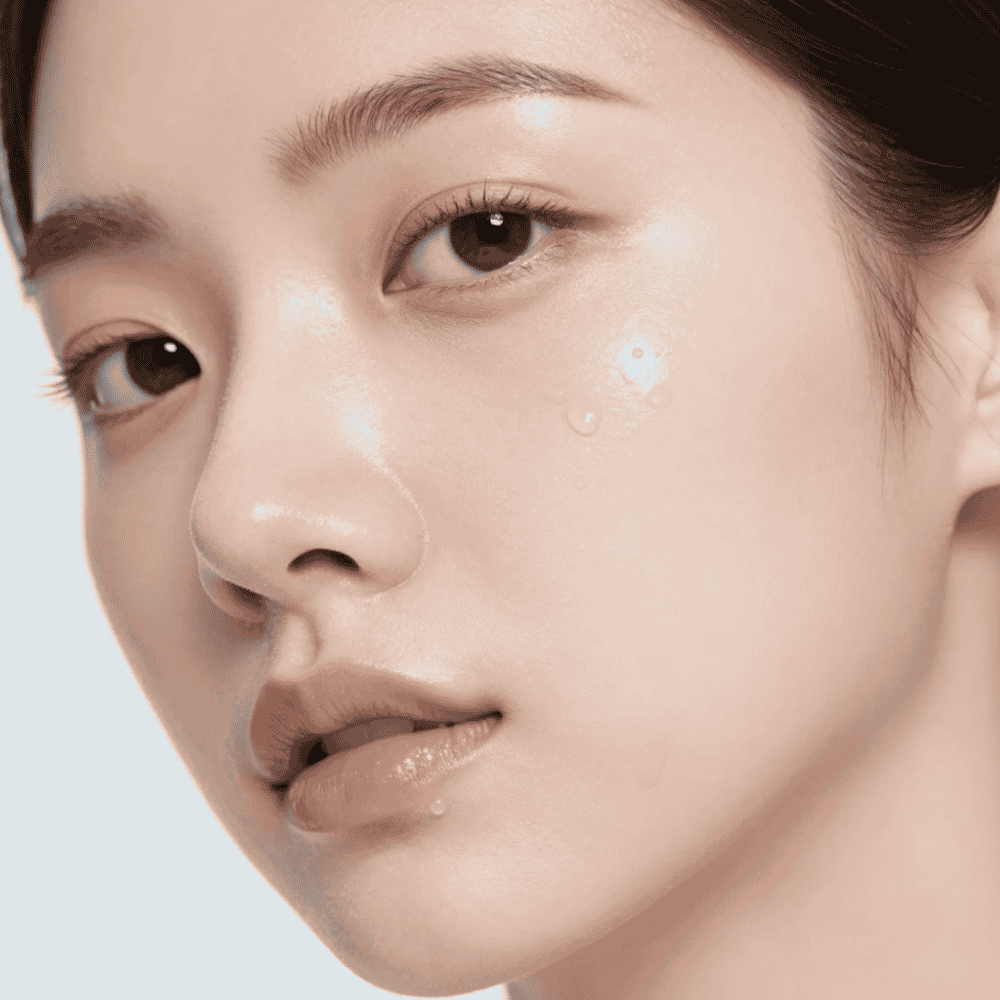
3. It plays well with everything. Korean formulators love pairing beta-glucan with centella (cica), heartleaf, panthenol, and PDRN, all part of the same soothing, barrier-first philosophy. (If you haven’t yet, our PDRN guide covers the ingredient beta-glucan most often teams up with.)
Best K-Beauty Products Using Beta-Glucan
Three products that use beta-glucan well, at different price points and roles.
1. iUNIK Beta-Glucan Power Moisture Serum
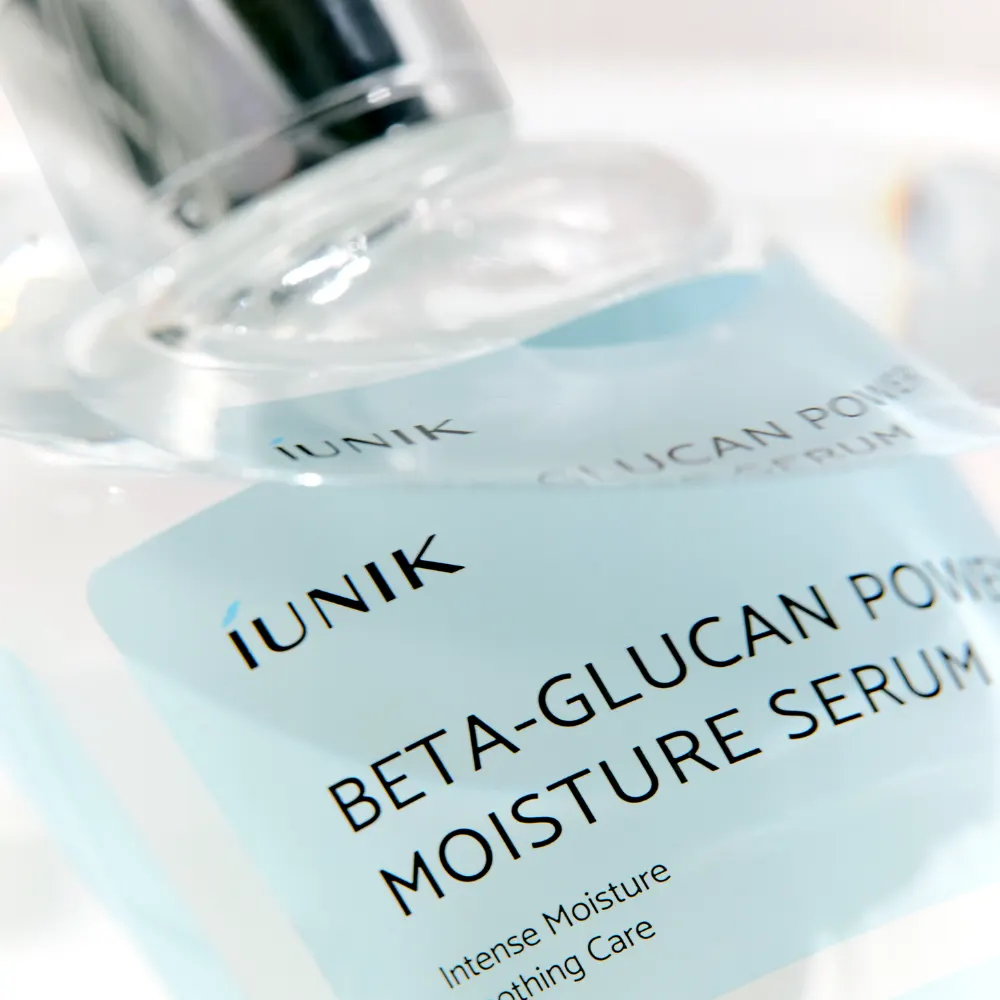
Best for: anyone who wants beta-glucan as cleanly as possible. iUNIK (the name stands for “Ideal Unique Natural Ingredients Knowhow”) is built on short, hypoallergenic ingredient lists, and this serum is the classic beta-glucan starter. High on the ingredient list, minimal extras, gentle enough for daily use on sensitive skin.
50ml · lightweight, hydrating · sensitive/dehydrated skin.
iUNIK Beta-Glucan Power Moisture Serum
2. mixsoon Beta-Glucan Essence
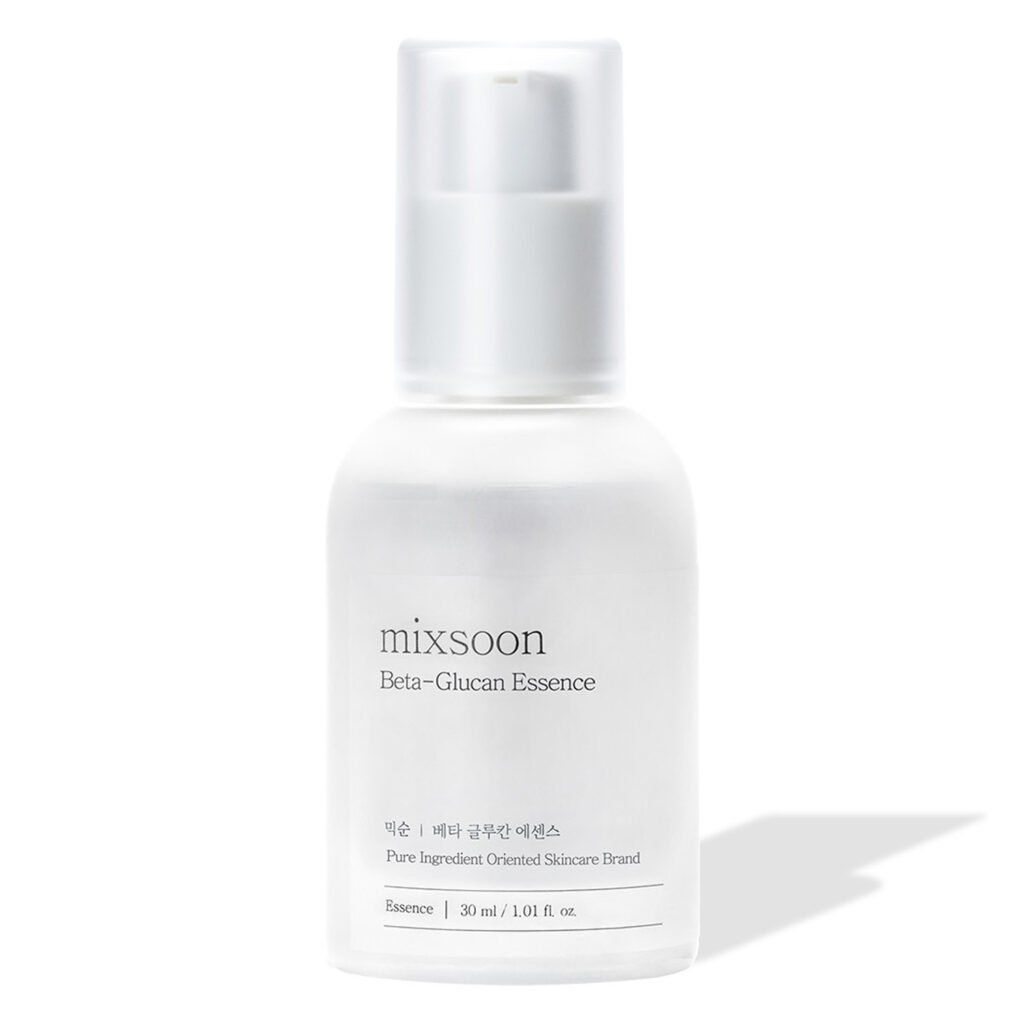
Best for: anyone who wants beta-glucan and almost nothing else. This essence is built around mushroom-derived beta-glucan as the hero ingredient, and mixsoon markets it as roughly 20% more hydrating than hyaluronic acid.
It’s the truest single-ingredient way to try beta-glucan hydrating, soothing, and gentle enough for morning and night on all skin types. (See our full Mixsoon brand review for more on this ingredient-first Jeju brand.)
100ml · lightweight essence · all skin, especially dry or sensitive.
3. Anua Azelaic Acid 10 Hyaluron Redness Soothing Serum
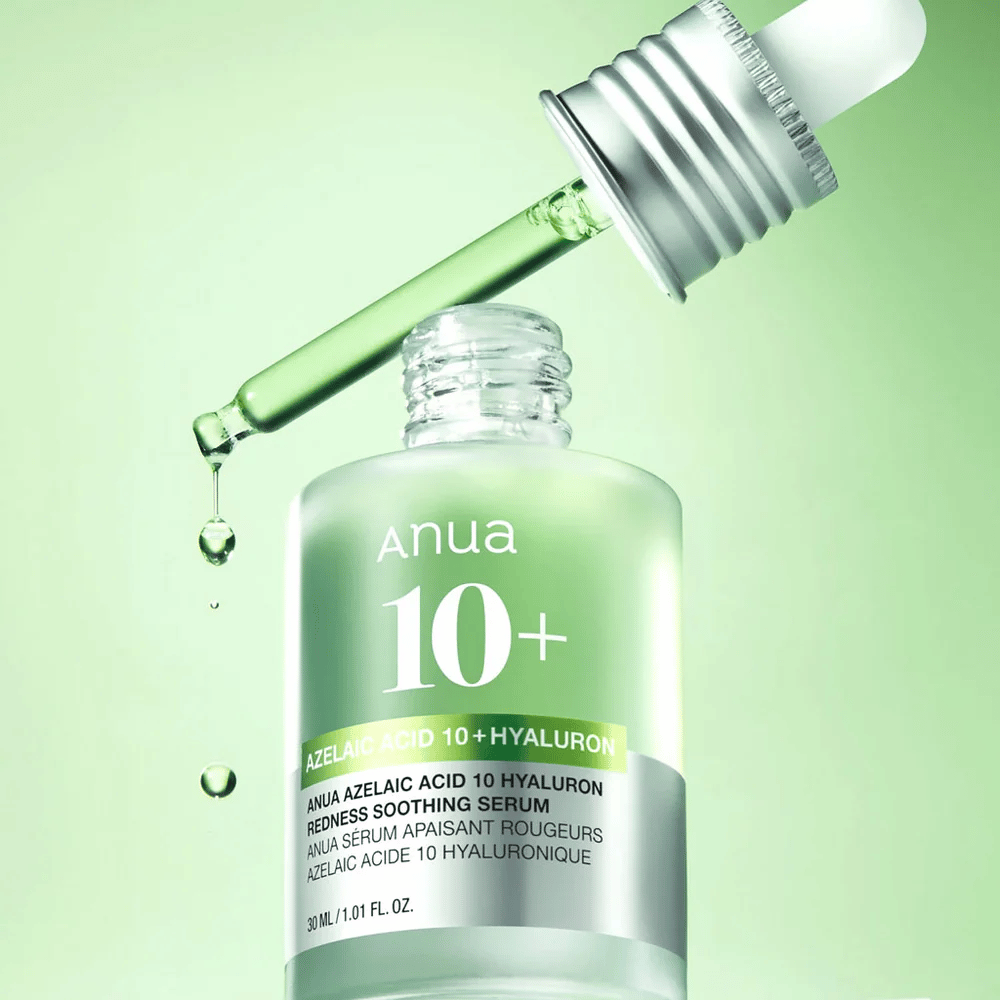
Best for: redness-prone and breakout-prone skin. Anua pairs beta-glucan and hyaluronic acid with azelaic acid, giving you the barrier-and-calm benefits of beta-glucan alongside a gentle brightening/anti-redness active.
A great example of beta-glucan doing its “supportive base” job inside a more targeted formula.
Anua Azelaic Acid 10 Hyaluron Redness Soothing Serum
4. Isntree Ultra-Low Molecular Hyaluronic Acid Serum
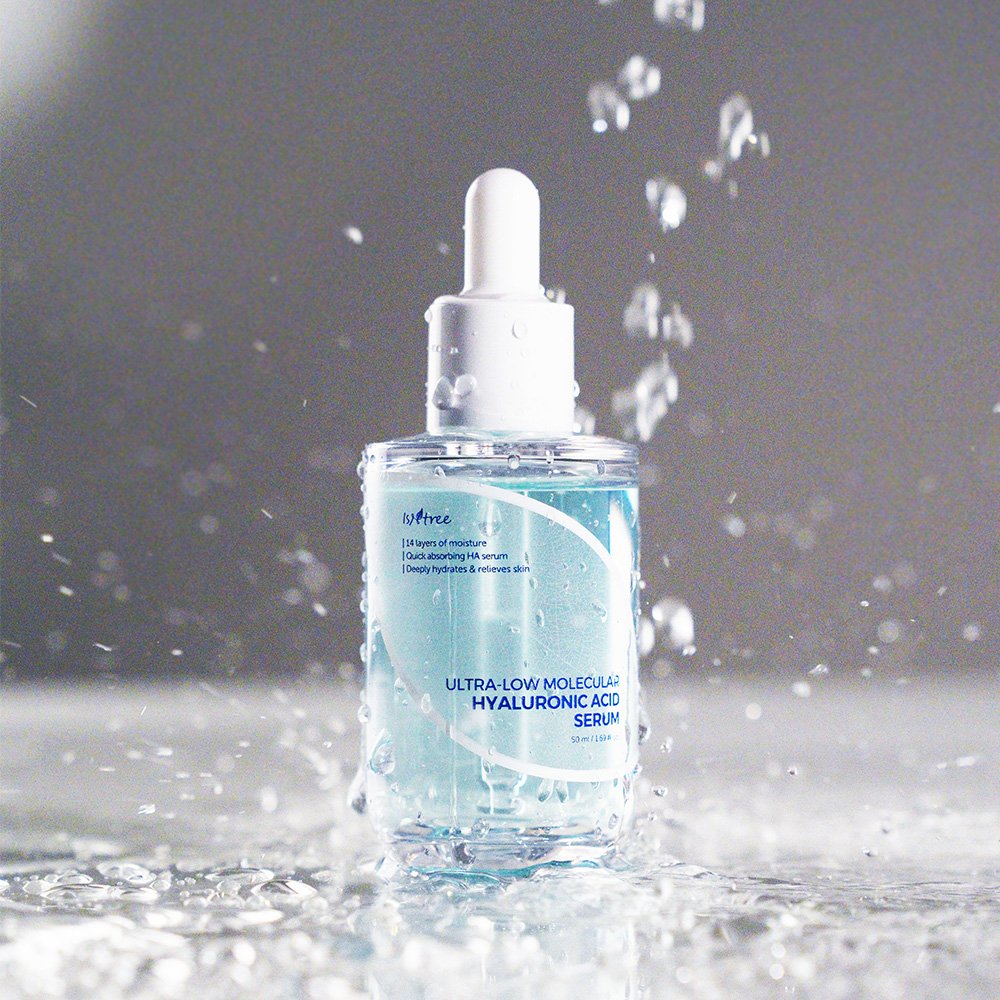
Best for: those who want the beta-glucan + hyaluronic acid teamwork in one bottle. Isntree pairs a 14-complex hyaluronic acid (as low as 329 Daltons) with beta-glucan, panthenol, and allantoin, plus mineral-rich seawater from Ulleung Island.
It’s the perfect illustration of this guide’s main point, surface hydration from HA, barrier support and calm from beta-glucan, working together.
lightweight, deeply hydrating · dehydrated and sensitive skin.
Isntree Ultra-Low Molecular Hyaluronic Acid Serum
5. Biodance Skin Glow Vital Ampoule
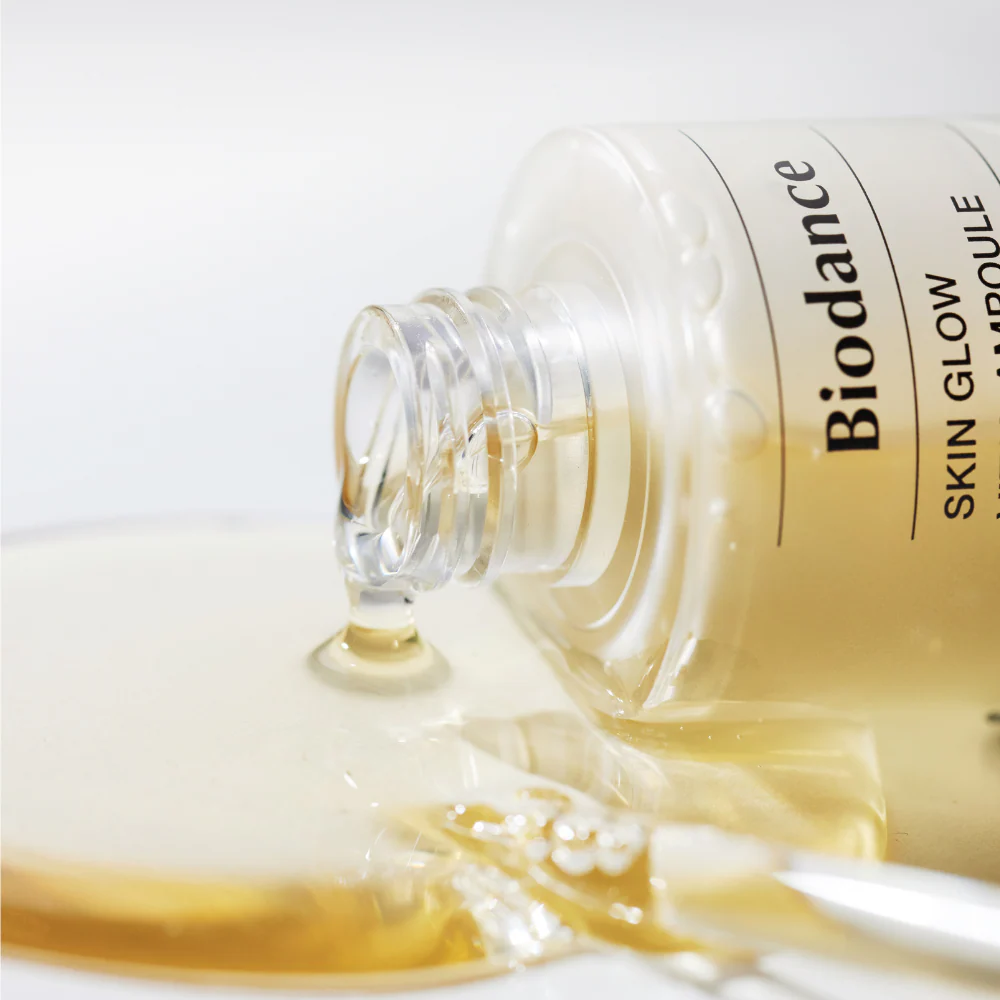
Best for: reactive skin that wants radiance and resilience. From the brand behind the viral Bio-Collagen mask, this ampoule combines beta-glucan and low-molecular hyaluronic acid with 80% probiotic ferments (Lactobacillus/Bifida/Lactococcus) and 5 ceramides.
Beta-glucan does the soothing and barrier work while the ferments and ceramides build long-term resilience, a great example of beta-glucan as the calm foundation of a more advanced formula.
50ml · essence-like ampoule · sensitive, dull, barrier-compromised skin.
Biodance Skin Glow Vital Ampoule
How to Use Beta-Glucan in Your Routine
Beta-glucan is one of the most beginner-friendly actives which is hard to misuse, plays nicely with almost everything.
Application order
- Cleanser
- Toner / essence (hydration prep)
- Beta-glucan serum ← here, on slightly damp skin
- Other actives if using (niacinamide, PDRN, peptides)
- Moisturizer
- SPF (morning)
Frequency: daily, AM and PM. It’s gentle enough that there’s no need to “ramp up” the way you would with retinol or acids.
Pairs beautifully with:
- Hyaluronic acid — the ultimate hydration duo (surface + structural).
- Niacinamide — barrier support compounds.
- Centella / heartleaf / panthenol — stacked soothing for reactive skin.
- PDRN & peptides — beta-glucan calms while they regenerate.
- After actives — a perfect buffer on nights you use retinol or acids, to soothe and rebuild.
Nothing really “clashes” with beta-glucan. That’s part of its appeal. The only note: if a product’s beta-glucan is very low on the ingredient list, don’t expect much from it; concentration and formula position matter.
Who Should and Shouldn’t Use Beta-Glucan
Yes, if:
- Your skin is sensitive, reactive, red, or eczema/rosacea-prone.
- Your barrier is compromised from acids, retinol, or procedures.
- You find hyaluronic acid alone isn’t enough in dry conditions.
- You want a gentle, do-no-harm hydrator that works with everything.
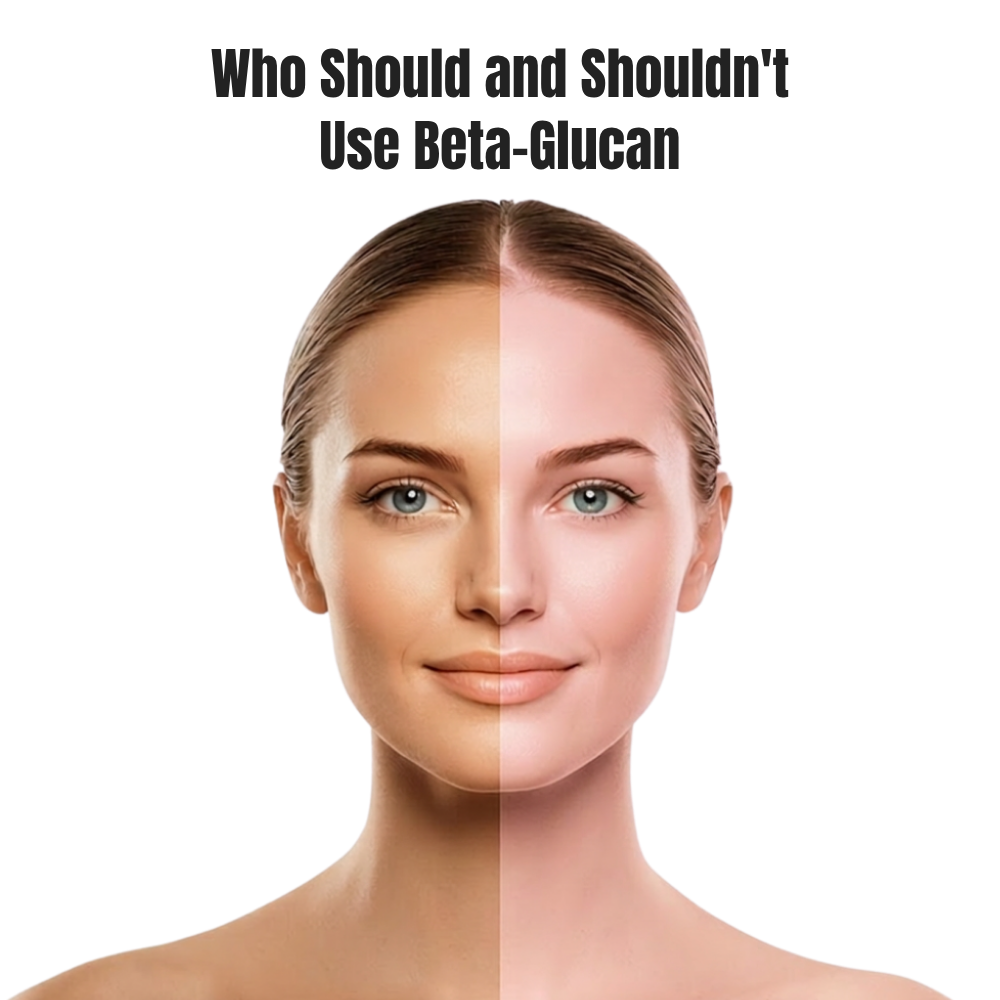
Maybe not a priority, if:
- You have resilient, oily skin and just want lightweight hydration (a basic humectant may be enough).
- You’re specifically after strong anti-aging results. Beta-glucan supports, but pair it with retinol, PDRN, or peptides for that.
FAQ
Is beta-glucan better than hyaluronic acid?
Not better, it’s different. Hyaluronic acid is a fast surface hydrator; beta-glucan hydrates too, but its real edge is barrier repair and soothing inflammation. For reactive or compromised skin, beta-glucan often does more. Best of all, they layer together.
Is beta-glucan good for sensitive or acne-prone skin?
Yes, it’s one of the best. Beta-glucan is anti-inflammatory and barrier-supporting, which makes it ideal for redness, eczema, rosacea, and post-breakout skin. It’s gentle enough for daily use.
Can I use beta-glucan with retinol or acids?
Absolutely. Beta-glucan is a great buffer that soothes and rebuilds the barrier after stronger actives. Apply your active, then beta-glucan and moisturizer to calm the skin. No conflict.
Oat or yeast beta-glucan, which should I choose?
Oat beta-glucan has the stronger track record for calming sensitive, inflamed skin; yeast/mushroom beta-glucan has the more interesting anti-aging profile. Molecular weight and processing matter as much as source, so a well-formulated product of either type is a good choice.
How long does beta-glucan take to work?
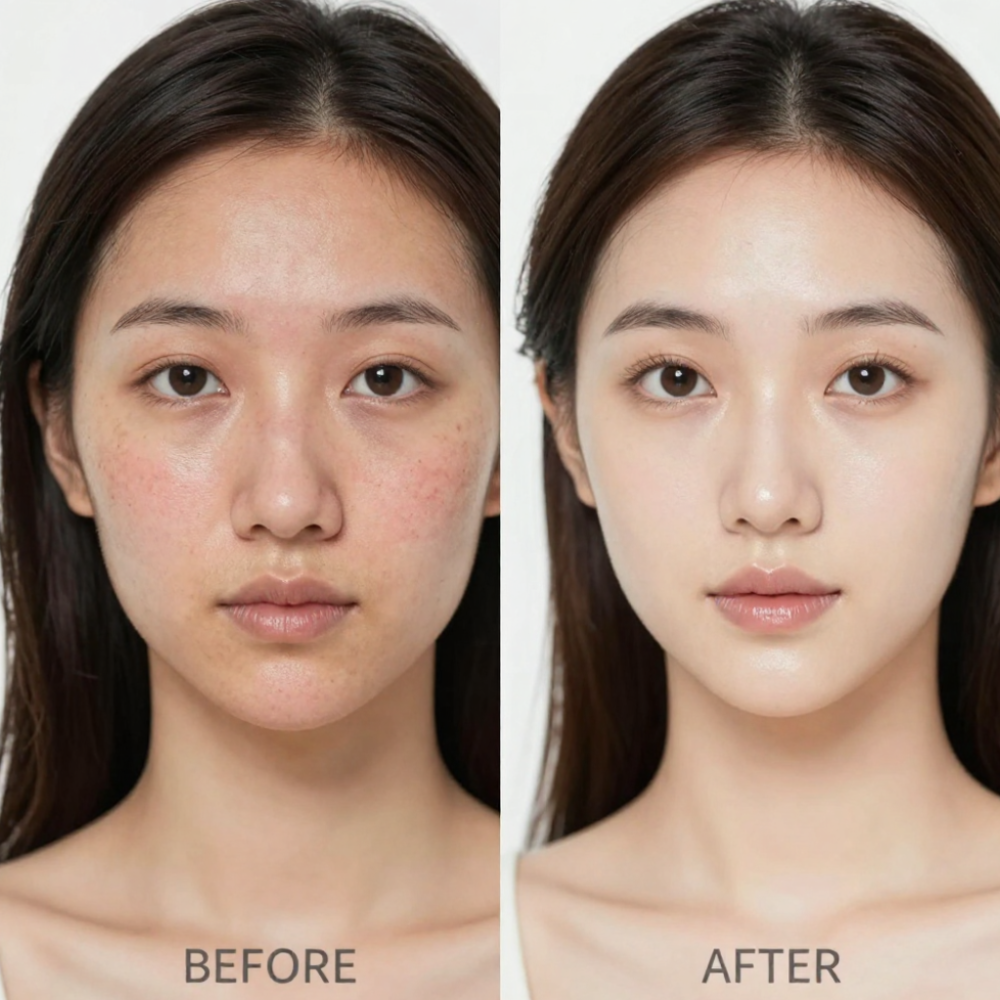
Hydration and comfort are often immediate. Barrier and resilience improvements build over 4–8 weeks of consistent use, with plumping/firming benefits appearing over the longer term.
Does beta-glucan clog pores?
No, beta-glucan is water-soluble and non-comedogenic. It hydrates without a greasy feel, which is why it suits oily and acne-prone skin as well as dry.
Can I use beta-glucan every day?
Yes, morning and night. Unlike retinol or exfoliating acids, beta-glucan needs no ramp-up period and is well tolerated by nearly all skin types.
Related Reading
- PDRN Skincare Guide: Salmon DNA, Vegan PDRN & K-Beauty Products
- NAD+ Skincare in K-Beauty: Benefits, NAD vs NMN & Best Brands
- Bakuchiol vs Retinol and Recommended K-Beauty Products
- Mixsoon Review: The Single-Ingredient K-Beauty Brand Behind Bean Essence
- More K-Beauty Ingredient Guides from Yogi Korea
Final Word
Beta-glucan is the opposite of a hype ingredient. It doesn’t promise miracles, and that’s precisely why it belongs in almost every routine. It hydrates like hyaluronic acid’s steadier sibling, calms like a cica product, and quietly rebuilds the barrier that modern skincare habits keep tearing down.
If your skin is sensitive, over-exfoliated, or just tired of reacting to everything, beta-glucan is one of the safest, smartest additions you can make. Start with a clean beta-glucan serum, layer it over hyaluronic acid, and use it as your recovery step after any strong active. Give it a month, and the change you’ll notice isn’t drama, it’s just calm.
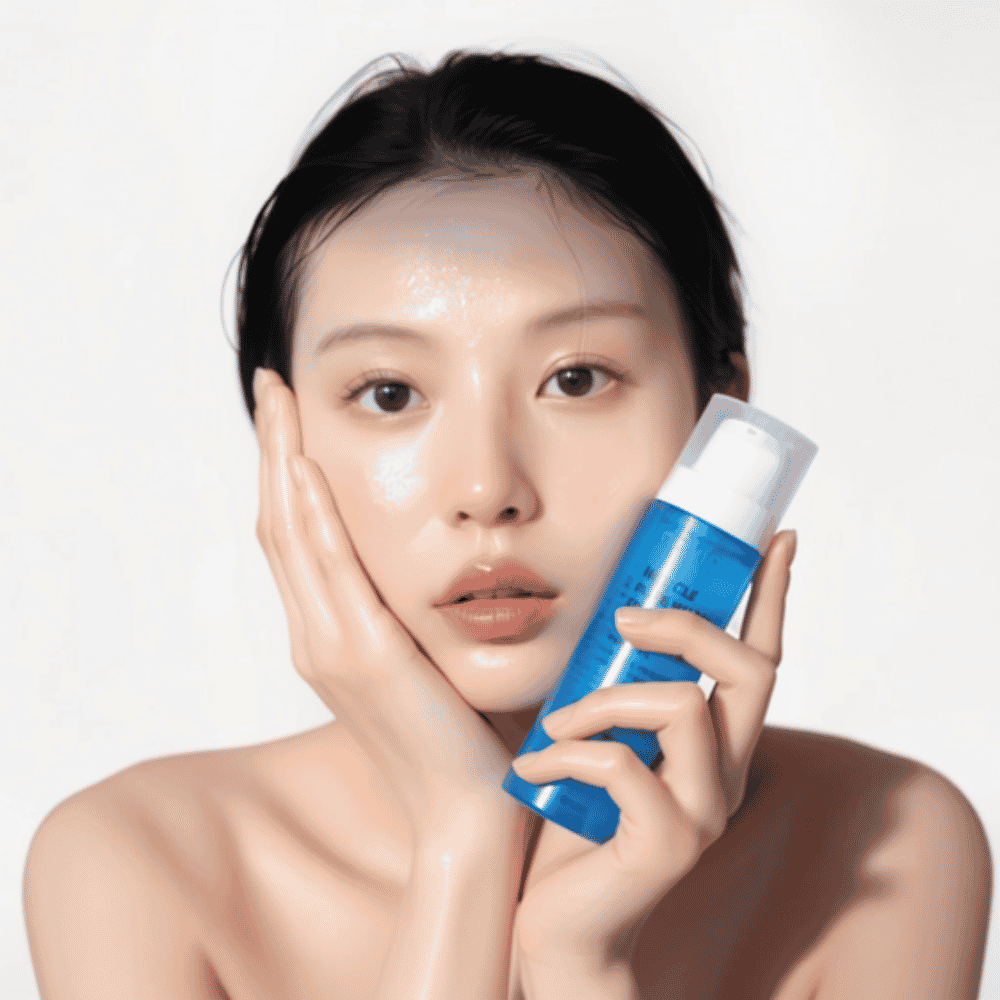
This beta-glucan guide evaluates the ingredient by hydration function, barrier-support potential, sensitivity fit, comparison with hyaluronic acid, and how it appears in Korean skincare formulas. Product recommendations are editorial and may vary depending on skin condition, climate, and existing actives.