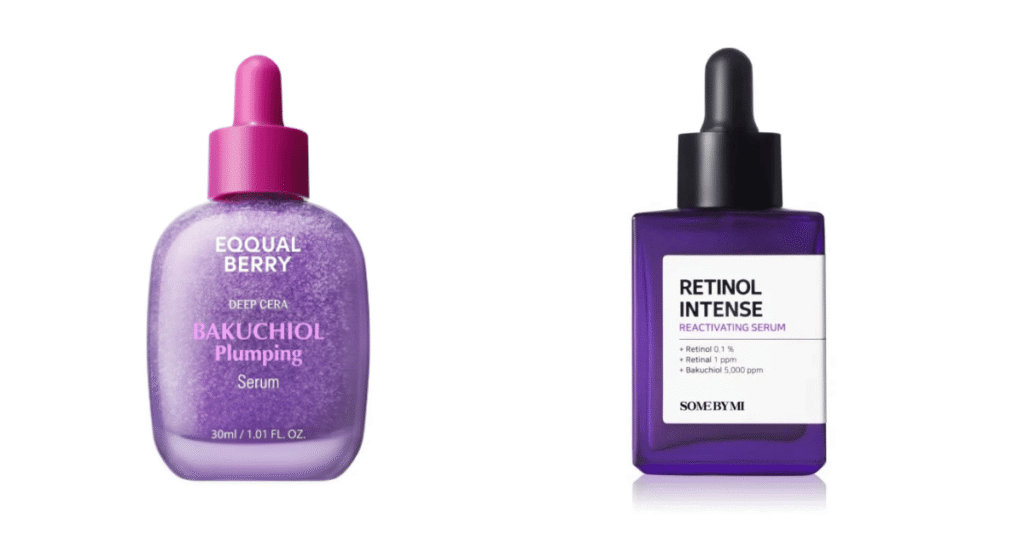
- Retinol still works faster and has the deeper clinical evidence, but if your skin runs sensitive, dry, or reactive, Korean bakuchiol is closing the gap fast.
- Bakuchiol can be used morning, night, during pregnancy, and layered with vitamin C without breakdown. Retinol can’t claim any of those.
- For 35+ buyers under $40, my current picks are A’pieu Real Strong Retinol on the retinol side and AROMATICA Rosehip Bakuchiol on the bakuchiol side.
- You can run both in the same routine if you ramp up slowly — bakuchiol AM, retinol PM three nights a week.
“The bakuchiol vs retinol debate keeps showing up in my DMs. The most common version: ‘I want the wrinkle results of retinol but my skin can’t handle it. Is Korean bakuchiol actually doing anything?'”
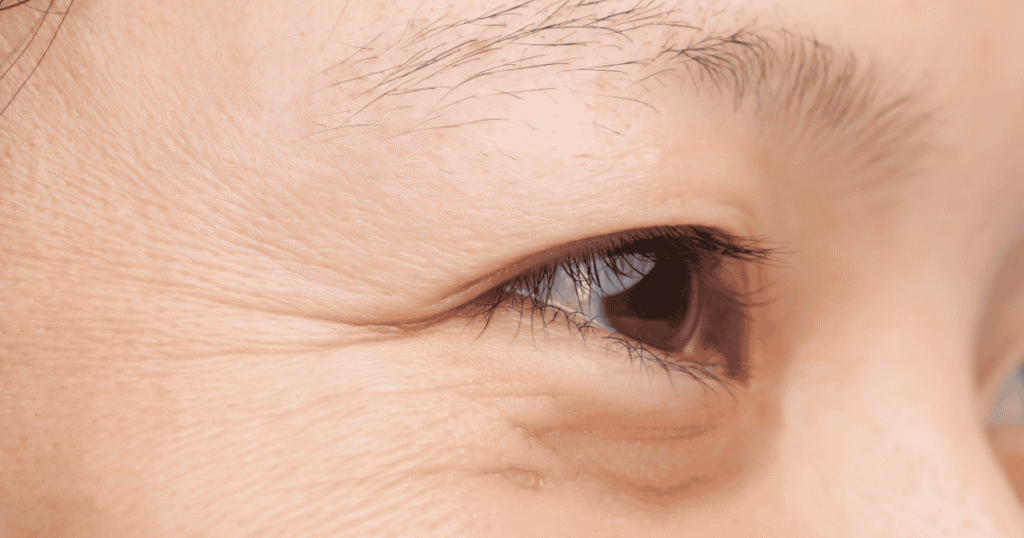
This is the bakuchiol vs retinol debate and I’ve finally landed on a clear opinion. The short version: Yes, it is. The longer version is what this article is about.
I’ve been alternating retinol, bakuchiol, and a few other actives across the last six years of writing about Korean skincare. What I can tell you is that the bakuchiol products coming out of Korea in 2025 and 2026 are noticeably better than the ones that launched in 2022.
The formulas are more stable, percentages are clearer on the label, and a handful of brands have started pairing bakuchiol with peptides or niacinamide in ways that compound the results.
But the marketing around “natural retinol alternative” has gotten loud, and a lot of it isn’t quite honest. Let me try to be.
What is bakuchiol (and why it became Korea’s gentle answer to retinol)
Bakuchiol is a plant compound extracted from the seeds of Psoralea corylifolia, used in Ayurvedic medicine for centuries before Western skincare formulators noticed it around 2007. It’s structurally nothing like retinol, but a now-famous 2019 study in the British Journal of Dermatology showed that, after 12 weeks, bakuchiol matched retinol on wrinkle reduction and hyperpigmentation with significantly less stinging, scaling, and dryness.
That study cracked the door open. Korean indie brands ran through it.
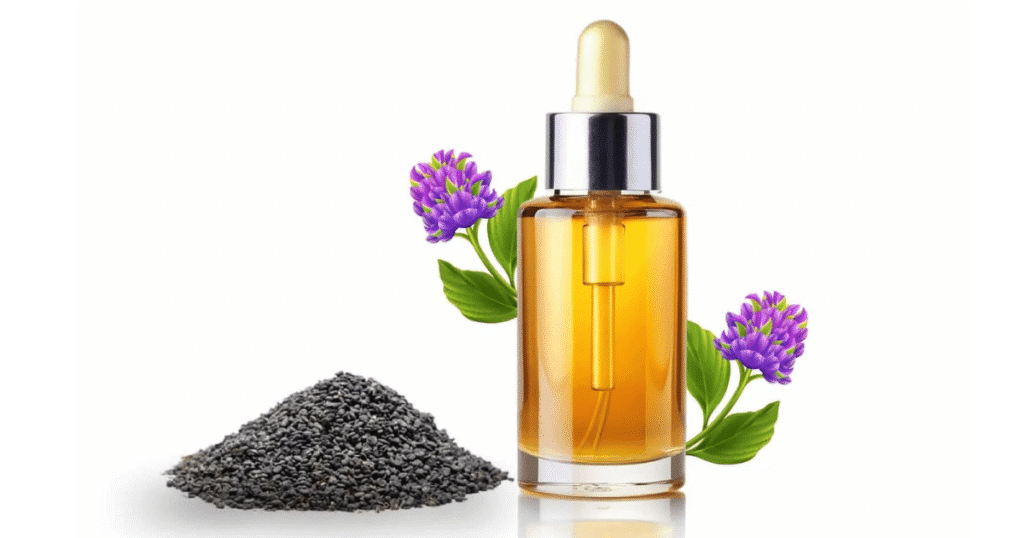
Why bakuchiol fits the Korean skincare ethos so well:
- Korean routines layer a lot of products. Retinol breaks down if it touches certain acids (AHAs, BHAs, vitamin C in some forms) or if your routine isn’t carefully sequenced. Bakuchiol is stable in almost any formulation.
- The Korean market skews toward sensitive, barrier-conscious consumers. Cica, panthenol, centella — all bestseller categories. A retinol alternative that doesn’t trigger redness was always going to land in Seoul.
- Bakuchiol works in sunlight. Retinol degrades when exposed to UV, which is why dermatologists tell you to use it only at night. Bakuchiol has no such restriction.
By 2024, more than 30 Korean brands had a bakuchiol SKU. By 2026, it’s hard to find an “anti-aging line” launch from a major K-beauty brand that doesn’t include one.
The science — bakuchiol vs retinol head to head
“Here’s the bakuchiol vs retinol comparison table I wish someone had handed me five years ago.”
| Comparison Index | Retinol | Bakuchiol |
|---|---|---|
| How it works | Speeds cell turnover via retinoic acid receptors | Mimics retinol’s gene-signaling — without receptor binding |
| Visible results in | 8–12 weeks for fine lines, 16+ weeks for deeper wrinkles | 8–12 weeks — slightly slower for deeper wrinkles |
| Irritation risk | Moderate to high (especially weeks 1–4) | Very low |
| Day or night? | Night only (degrades in UV) | Both |
| Pregnancy safe? | No | Generally considered yes (always consult your doctor) |
| Layers with vitamin C? | Tricky | Yes |
| Layers with AHA / BHA? | Don’t | Yes, with care |
| Korean availability | Very wide | Wide and growing |
| Average price (Korea) | ₩20,000–60,000 ($14–43) | ₩28,000–55,000 ($20–39) |
The honest summary: Retinol still has the deeper clinical evidence behind it, especially for established wrinkles. Bakuchiol delivers roughly 80–90% of the efficacy at maybe 20% of the irritation. For someone in their 20s with no skin issues, retinol is probably the higher-leverage move. For 35+ skin that’s started to react to everything, barrier-compromised, perimenopausal, or just tired, bakuchiol is the smarter starting point.
Top Korean retinol products
I’ve narrowed this list to three picks that work for sensitive mature skin. All of them use encapsulated or stabilized retinol, which releases the active gradually and dramatically reduces the “retinol burn” window.
1. Some By Mi Retinol Intense Advanced Triple Action Eye Cream
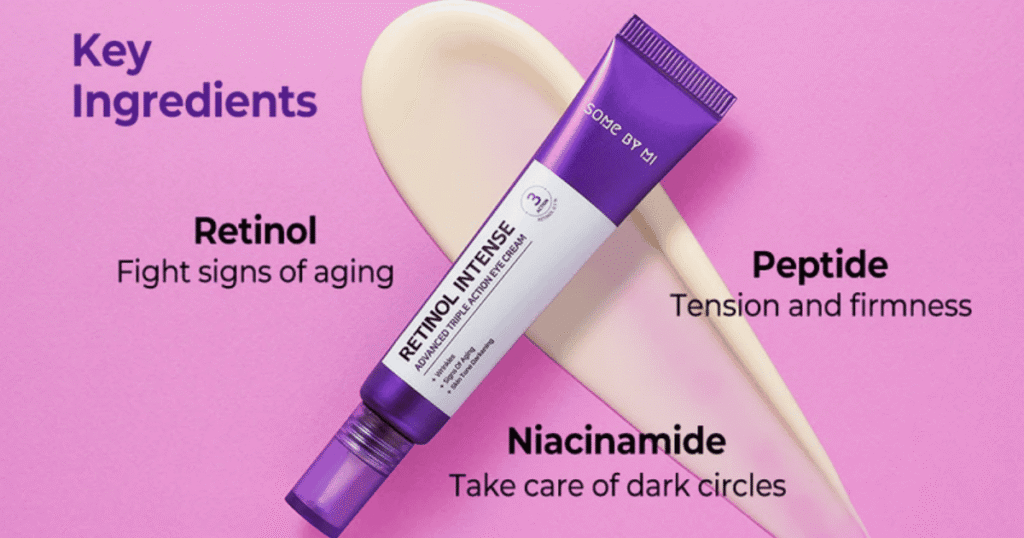
Best for: Consumers looking for faster, more intensive wrinkle improvement than what pure bakuchiol offers, while still minimizing the harsh irritation typically associated with traditional retinol.
The eye area is where wrinkles arrive first and where retinol delivers the most visible payoff. Some By Mi’s eye cream uses encapsulated retinol plus peptides plus niacinamide — a stack that punches around $25 price point. Apply only at night, every other night for the first month, then nightly.
2. Medicube Deep Vita A Retinol Serum
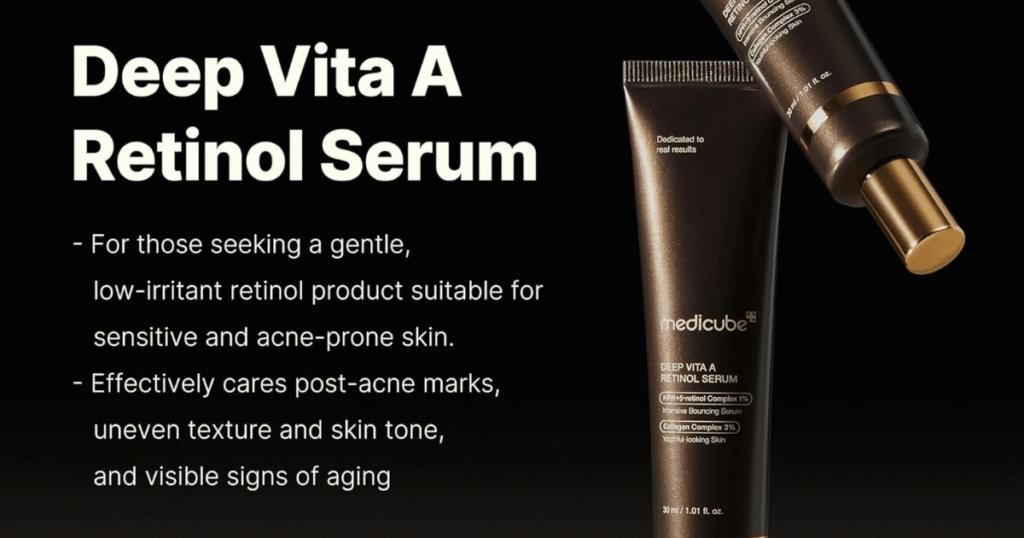
Best for: Beginners using retinol for the first time, or those who have experienced skin irritation (stinging, flaking) from conventional retinol products
Medicube Deep Vita A Retinol Serum is a gentle, low-irritation anti-aging serum formulated with a combination of fourth-generation retinol and naturally derived ingredients, making it accessible and comfortable even for sensitive skin.
Medicube, Deep Vita A Retinol Serum
3. COSRX The Retinol 0.1 Cream
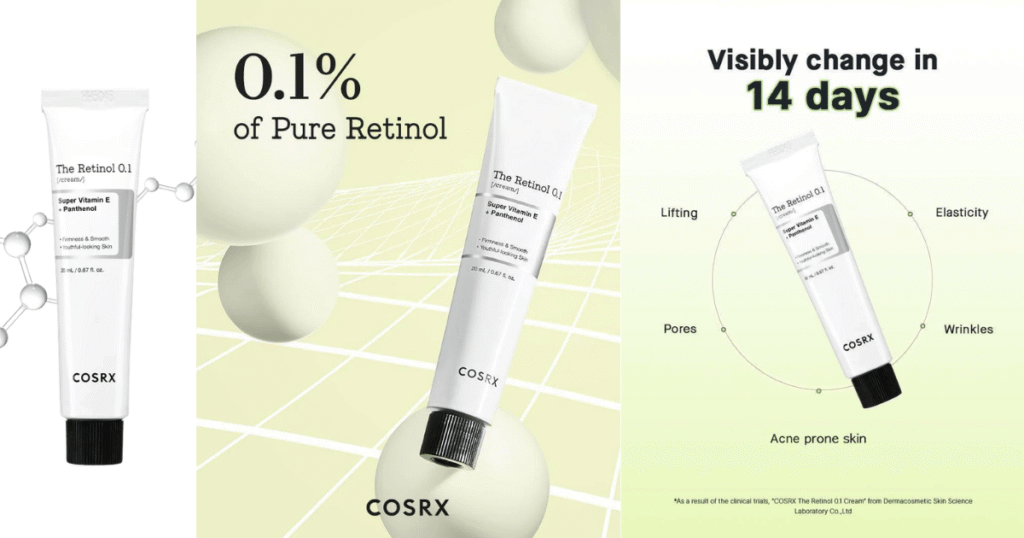
Best for: Treating early signs of aging, enlarged pores, and uneven skin texture on normal, combination, or oily skin types.
COSRX The Retinol 0.1 Cream is an excellent, budget-friendly option often praised as one of the best “entry-level pure retinol creams” for beginners. It utilizes 0.1% Pure Retinol, a concentration carefully balanced to deliver noticeable anti-aging results while minimizing common side effects.
Top Korean bakuchiol products
In the bakuchiol vs retinol market, bakuchiol formulations vary more than retinol, so percentages and supporting actives matter a lot. Look for products that pair bakuchiol with niacinamide, peptides, or ceramides — these compound the anti-aging effect without adding irritation.
1.EQUALBERRY Bakuchiol Plumping Serum
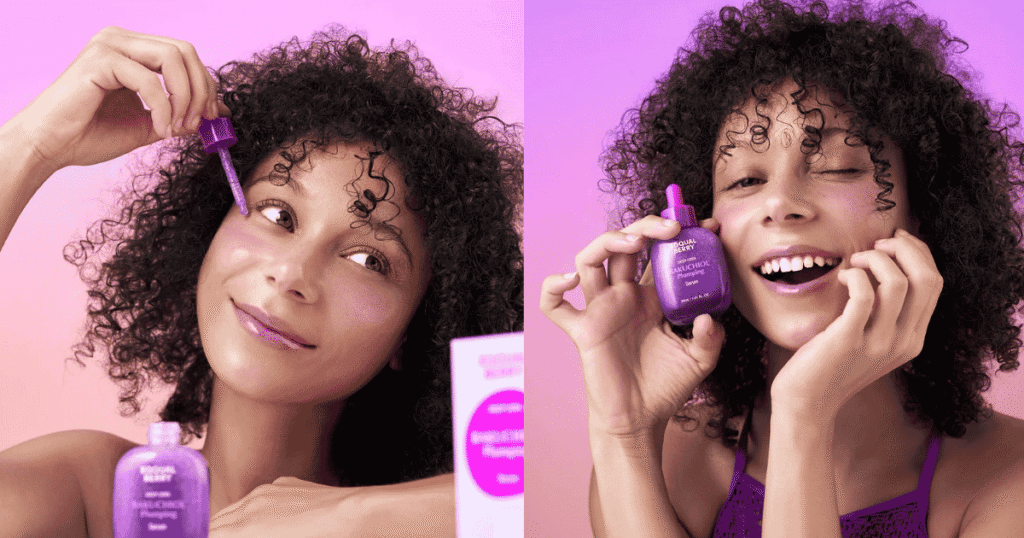
Best for: Sensitive, oily, or combination skin types looking for gentle, early anti-aging and pore elasticity care without the harsh side effects of retinol.
A rising bestseller that quickly reached the Amazon Top 100 Serum category and earned the Amazon’s Choice badge. It features a fresh, non-sticky absorption rate, making it perfect for oily and combination skin types year-round. Formulated alongside Niacinamide, Hyaluronic Acid, and Ceramides to target inner dryness and deliver a firm, plumping finish.
EQQUALBERRY – Bakuchiol Plumping Serum
2. MARY & MAY Vegan Peptide Bakuchiol Sun Stick SPF50+ PA++++
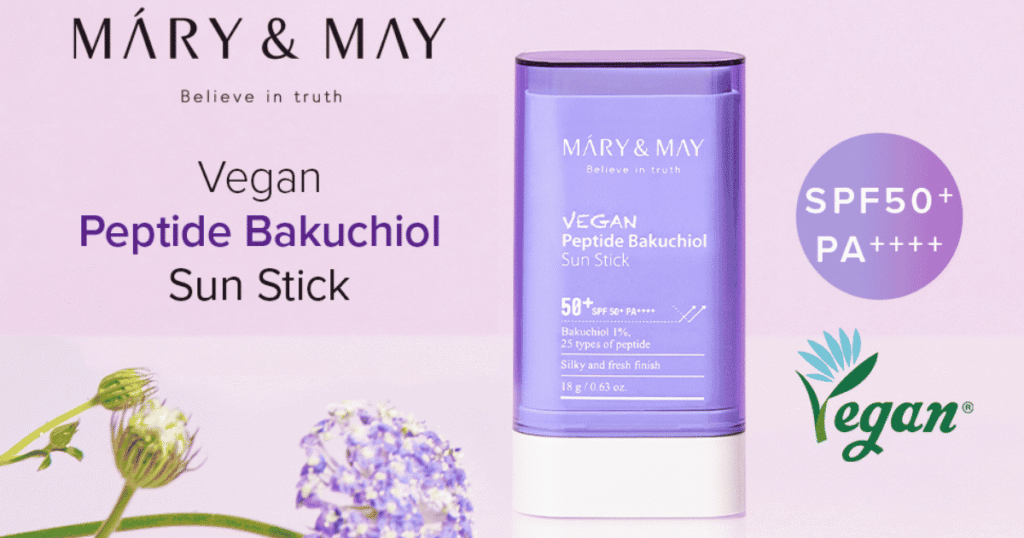
Best for: Oily, combination, and sensitive skin types looking for effective UV protection alongside anti-aging benefits, without any greasy residue
The MARY & MAY Vegan Peptide Bakuchiol Sun Stick SPF50+ PA++++ is a functional sun stick, packed with 10,000 ppm Bakuchiol and 25 types of Peptides to protect against UV rays while fighting aging. Formulated with porous powder to leave a matte, silky finish that applies smoothly over makeup without greasiness. A highly affordable, certified-vegan option priced at around $10–$14 USD.
MARY & MAY Vegan Peptide Bakuchiol Sun Stick
3. Haruharu WONDER Black Rice Bakuchiol Eye Cream
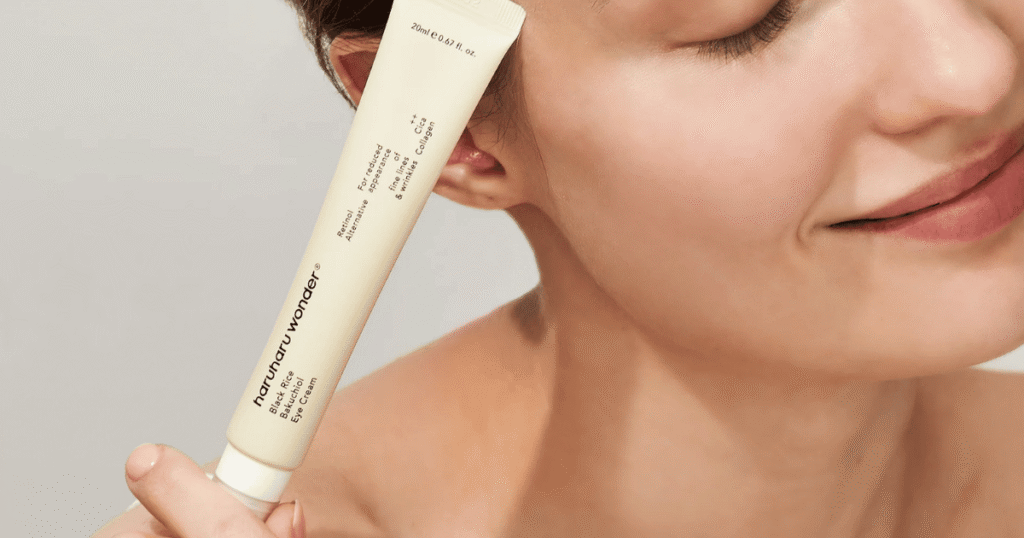
Best for: Sensitive skin types looking to target fine lines, dark circles, and thin skin barriers around the eyes without the harsh, irritating side effects of traditional retinol.
Haruharu WONDER Black Rice Bakuchiol Eye Cream is globally acclaimed eye cream, highlighted by major beauty media like Vogue. It holds excellent ratings on Amazon for its gentle, lightweight emulsion texture suitable for daily use. Infused with fermented Korean black rice extract and high-purity Bakuchiol, it firms the delicate eye area without leaving a sticky residue.
Haruharu wonder Black Rice Bakuchiol Eye Cream
If you're planning to buy any of these in person in Korea, see our Olive Young 101 guide for tax refund tips and the best flagship stores.
Can you use bakuchiol and retinol together?
“The bakuchiol vs retinol question doesn’t have to be either/or.”
The sequence I use:
- Morning: bakuchiol serum → moisturizer → SPF (always SPF)
- Night, three times a week: retinol cream after toner, no other actives, finish with a richer moisturizer
- Night, four times a week: bakuchiol serum + moisturizer, no retinol
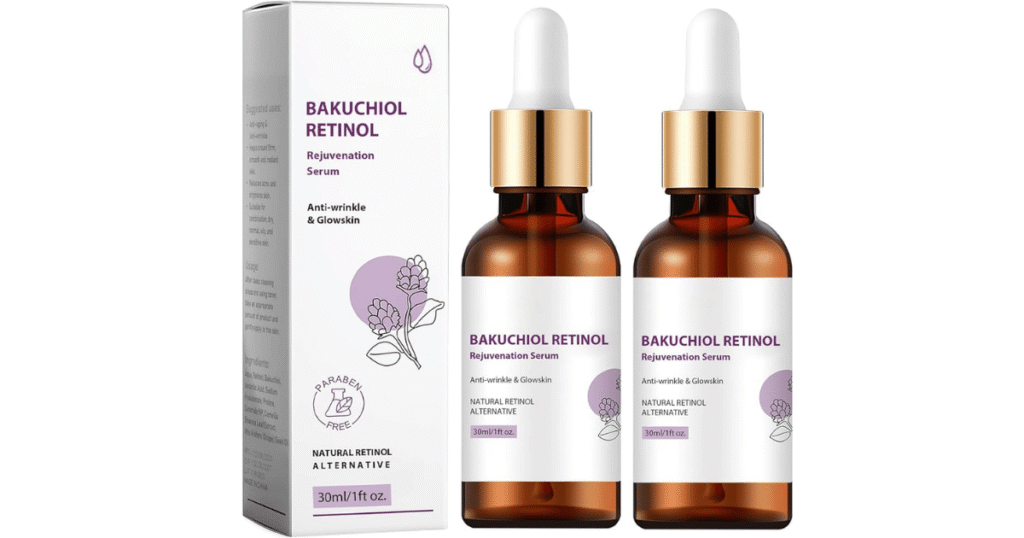
This rotation lets you get the continuous anti-aging signal of bakuchiol every day, plus the deeper restructuring of retinol three nights a week, without compounding irritation.
Critical: do not stack retinol with vitamin C, AHAs, BHAs, or any other active acid on the same night. Bakuchiol can layer with all of those — retinol stays solo on its assigned nights.
My personal verdict
After several years of running bakuchiol vs retinol in parallel — through perimenopausal shifts, seasonal flares, and a few honest mistakes — here’s where I land: bakuchiol is the better daily driver for sensitive 35+ skin, and retinol is the better three-nights-a-week add-on.
If I had to pick only one, I’d pick bakuchiol — not because it’s stronger (it isn’t, quite), but because it’s the product I’ll actually keep using a year from now. The product I don’t have to fight my barrier to apply is the product that wins long-term.
That’s my bakuchiol vs retinol verdict at 40. If your skin is more resilient than mine, retinol is still the deeper investment — just use sunscreen the next morning. Every morning.
FAQ
Is bakuchiol really as effective as retinol?
“In the bakuchiol vs retinol comparison for wrinkles and hyperpigmentation, yes — within about 80–90% efficacy according to the 2019 British Journal of Dermatology study. For deeper structural changes like acne scarring and severe sun damage, retinol still wins.
Can I use bakuchiol every day?
Yes — morning and night, no UV restrictions, no ramp-up window. This is its biggest advantage over retinol.
Is bakuchiol safe during pregnancy?
It’s generally considered safer than retinol, but the research is still limited. Always check with your OB/GYN before adding any active to your routine while pregnant or breastfeeding.
What’s the best Korean retinol for total beginners?
A’pieu Real Strong Retinol Cream. 0.1% encapsulated, under $20, and the formula is forgiving in the first month.
Can I use a vitamin C serum with bakuchiol?
Yes. They complement each other — vitamin C in the morning for brightening, bakuchiol layered after, both under sunscreen.
Why do Korean bakuchiol products feel oilier than Western ones?
Most Korean formulations carry the bakuchiol in jojoba oil or rosehip oil as a delivery system. It’s a texture preference, not a quality difference.
Will bakuchiol or retinol thin my skin?
Neither does. That’s a misunderstanding of the early flaking some users experience. Both eventually thicken the dermis over time by increasing collagen.
How long until I see results?
Both: 8–12 weeks for visible improvement in fine lines. Retinol may show stronger results at 16+ weeks for deeper wrinkles. Take “before” photos in week 1 — comparison is harder than you think.